

Spider Excavators For Sale
ทั้งหมด
การประมูล
ซื้อตอนนี้
ประเภท: Amphibian Unit
9 ผลลัพธ์
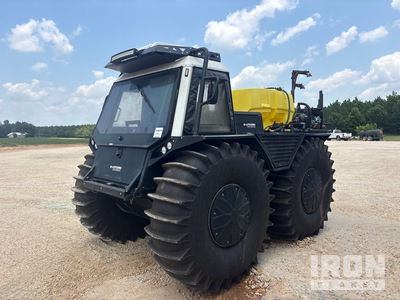
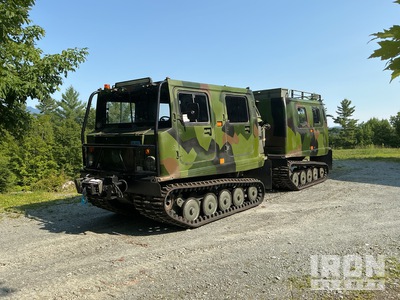
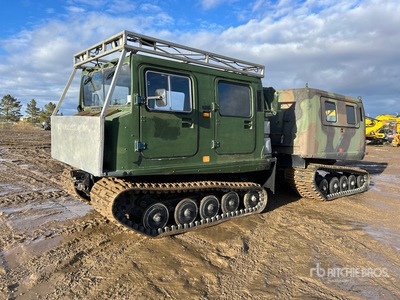
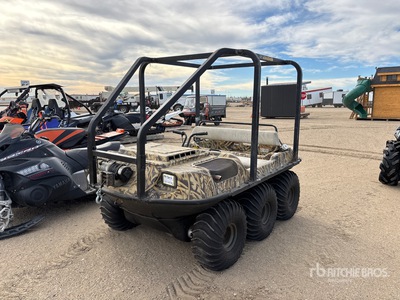
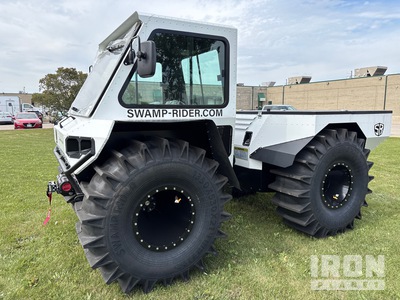
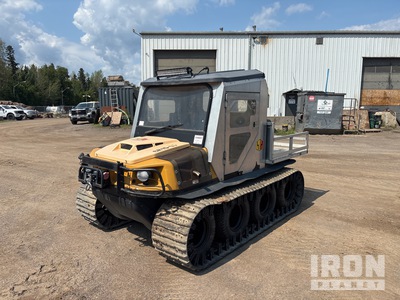
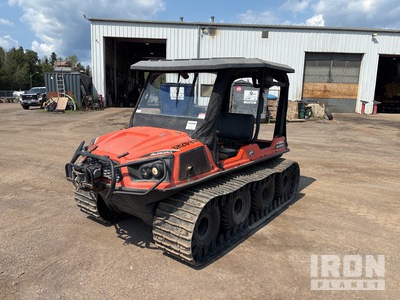
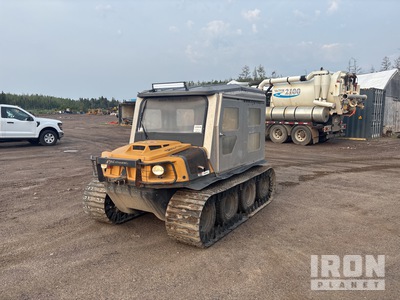
What is a marsh buggy?
An amphibian unit — sometimes called an amphibious excavator, marsh buggy, or swamp machine — is a tracked piece of equipment built to operate in environments where conventional machines sink, stall, or get stuck. The defining feature is the undercarriage: sealed pontoon-style track frames that displace enough water to keep the machine floating, while cleated steel tracks provide propulsion through soft mud, shallow water, marshland, and contaminated sludge. Most amphibian units are based on a standard excavator upper structure mounted to a purpose-built amphibious base, giving you a working machine that can dig, dredge, clear, or load in terrain no wheeled or conventional crawler can reach.
You'll typically see these units working on dredging contracts, wetland restoration, pond and canal cleanouts, pipeline right-of-way clearing through swamps, flood control projects, and oil and gas site work in coastal or marsh environments. They're also widely used after natural disasters for debris removal in flooded zones.
Amphibian unit vs. standard excavator: when does it make sense?
If your project site has firm ground, a conventional tracked excavator will almost always be the cheaper, faster option. Amphibian units exist for one reason: ground bearing pressure. A typical excavator exerts around 7–10 psi on the ground, while a properly configured amphibian unit drops that to roughly 1.5–2.5 psi — low enough to float across saturated peat, tidal mud, and standing water up to several feet deep.
The trade-off is speed and reach. Amphibian units move slowly (often under 2 mph on land), are more expensive to transport because of their wide pontoon footprint, and require specialized maintenance on the seals and drive sprockets. If you're working in terrain where any other machine would mire down within hours, the math works. If not, look at long-reach excavator attachments or a standard crawler instead.
Top marsh buggy brands and models
The amphibious excavator market is dominated by a small group of specialty manufacturers, plus aftermarket pontoon conversions built around standard excavator uppers from Caterpillar, Komatsu, Hitachi, and Doosan.
Wilco Manufacturing
Wilco builds purpose-engineered amphibious undercarriages and complete machines used heavily on Gulf Coast pipeline and marsh projects. Known for heavy-duty pontoon construction and high payload capacity.
EIK / Marsh Master
EIK amphibious excavators, often based on Doosan or Hitachi uppers, are popular for dredging, environmental cleanup, and shallow-water work. The Marsh Master line is well-regarded for narrower footprint units that still maintain low ground pressure.
Remu and Watermaster
Watermaster builds dedicated multi-purpose dredging machines that float and operate in deeper water than traditional amphibious excavators. These show up in lake restoration and sediment removal work.
Conversions on Cat and Komatsu uppers
Many amphibian units sold at auction are Cat 320, 325, or Komatsu PC200/PC300-class excavators mated to aftermarket pontoon undercarriages. These give you familiar engine and hydraulic systems with proven parts availability — a real advantage when you're operating far from a dealer network.
What to look for when buying a used amphibian unit
An amphibian unit lives in water, mud, and salt — meaning corrosion, seal failure, and undercarriage wear are the biggest cost risks. Focus your inspection here:
- Pontoon integrity: Inspect every weld seam on the pontoons for cracks, pitting, or repair patches. Any breach floods the pontoon and kills buoyancy. Ask whether the unit has been pressure-tested.
- Track drive and sprocket condition: Amphibious tracks turn through abrasive sand and shell debris. Check sprocket teeth, idler wheels, and the condition of the cleated track shoes — replacement is expensive and lead times can be long.
- Final drive seals: Water intrusion into the final drives is the most common failure point. Look for milky hydraulic oil, weeping seals, or signs of recent reseal work. Pull samples if the seller permits.
- Upper structure corrosion: Salt and brackish water attack the swing bearing, slew ring bolts, and undercarriage frame. Check for rust scale around the turntable and any non-original paint that may hide pitting.
- Hydraulic hose and cylinder condition: Rod chrome on boom and stick cylinders takes a beating in abrasive environments. Look for scoring, pitting, and active leaks at the rod seals.
- Hours vs. service history: Amphibian units often log fewer hours than land-based excavators, but those hours are harder on the machine. A unit with 4,000 hours and full service records beats one with 2,500 hours and unknown history.
Buy used amphibian units at Ritchie Bros.
You'll find amphibian units, marsh buggies, and pontoon-equipped excavators in our auctions from contractors working pipeline, dredging, and environmental remediation projects across North America and beyond. Listings include detailed inspection reports covering pontoon condition, undercarriage wear, and hydraulic system health — the specifics that matter on this kind of specialized equipment. Browse current inventory above, and reach out to our equipment specialists if you need help confirming whether a specific unit fits your project requirements.